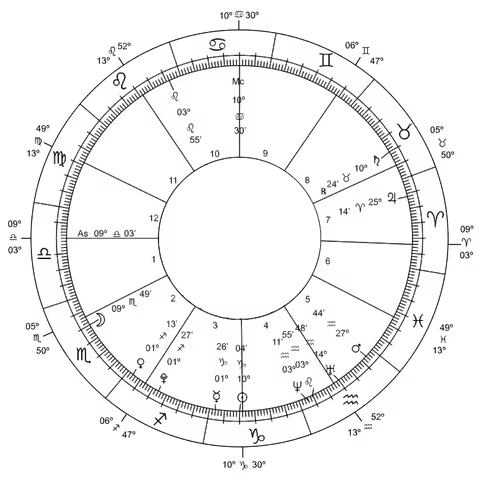
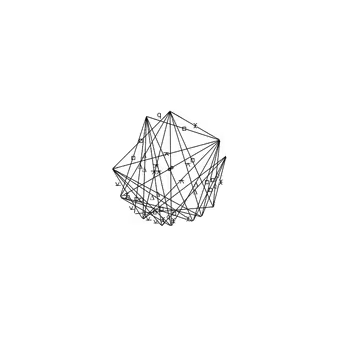
Today is Wednesday, in the Shukla Paksha. Today is Gudi Padwa and Chaitra Navratri. The tithi is Pratipada till tomorrow early morning, then Dvitiya begins. The Moon is in Revati nakshatra till evening, then Ashwini. Avoid new work in Rahu Kaal, 12:23 to 13:58. The Moon and the Sun are both in Meena rashi.
Kept on the day the tithi stands at sunrise; the observance runs through the day.
MaharashtraGoa
The lunar new year of the Deccan — households raise the gudi flag at dawn to mark Brahma's creation of time. One of the sade-teen muhurat, the almanac tradition's three-and-a-half days held auspicious for any new beginning.
Kept on the day the tithi stands at sunrise; the observance runs through the day.
Nine nights dedicated to the nine forms of the goddess Durga, beginning the Hindu lunar new year. Marked by fasting, prayer, and devotional music.
✦
Purushottam Maas
·
Adhika Chaitra
Sacred lunar leap month — a time for fasting, charity, and devotional practice.
Tithi · Weekday · Lunar month
TithiThe Hindu calendar's lunar day — measured by how far the moon has moved from the sun. Festivals are anchored to specific tithis (Ekadashi, Purnima…) rather than fixed Gregorian dates.Learn more in glossary
Shukla Pratipada
Same day05:21uptoNext day04:28
Pratipada — the first day. Considered auspicious for beginnings and laying foundations.
WeekdayThe weekday, each governed by one of seven classical planets — Sunday/Sun, Monday/Moon, and so on. Each day inherits the temperament of its ruling planet.Learn more in glossary
Wednesday
Wednesday — ruled by Mercury. A communicative, intellectual day; favourable for study, writing, and trade.
Lunar monthA month in the Hindu lunar calendar. Two start conventions co-exist — Amanta begins at new moon, Purnimanta at full moon — so the same month carries two names depending on the region.Learn more in glossary
AmantaChaitra
PurnimantaChaitra
Nakshatra · Yoga · Karana
NakshatraThe constellation the moon is currently sitting in. The sky is divided into 27 of these; each carries its own qualities used to read birth charts and pick auspicious windows.Learn more in glossary
YogaA sun-moon combination that colours the day's overall character. About half the 27 yogas are considered auspicious for new starts; the rest call for restraint.Learn more in glossary
Indra
Prev day08:49uptoSame day07:25
then
Vaidhriti
Same day07:25→Next day05:34
An auspicious yoga — sun and moon align favourably today. Considered supportive for most new beginnings.
KaranaHalf a tithi — every lunar day has two karanas in sequence. Useful when you need finer timing than a full tithi offers.Learn more in glossary
Kimstughna
Same day05:21uptoSame day16:58
then
Bava
Same day16:58→Next day04:28
A fixed karana — these occur only at month-end and mark transitions. Often used for finishing pending matters.
Day at a glance
Panchang windows not defined here today
Choghadiya, Gowri and Rahu Kalam each divide local daylight into eight parts. At very high latitudes (above ~66°) the sun can stay up — or stay down — for the whole day, so a local sunrise/sunset pair doesn't exist for this date. Tithi, nakshatra and yoga above are still valid.
ChoghadiyaA North Indian timing system: eight day windows and eight night windows, each rated good, neutral, or bad. A quick way to pick (or avoid) a slot for an everyday task.Learn more in glossary
A North Indian timing system: eight day windows and eight night windows, each rated good, neutral, or bad. A quick way to pick (or avoid) a slot for an everyday task.
Gowri PanchangamA South Indian tradition that splits the day and night into eight Gowri windows each — used for picking auspicious slots for everyday work.Learn more in glossary
A South Indian tradition that splits the day and night into eight Gowri windows each — used for picking auspicious slots for everyday work.
Best & avoidA short-list of the six most important windows — three auspicious (Brahma, Abhijit, Amrit) and three to avoid (Rahu, Yamaganda, Gulika). Some days may show fewer if a window isn't computed.Learn more in glossary
A short-list of the six most important windows — three auspicious (Brahma, Abhijit, Amrit) and three to avoid (Rahu, Yamaganda, Gulika). Some days may show fewer if a window isn't computed.
HoraEach day and night splits into twelve planetary hours, each ruled by a planet. The ruling planet sets the hour's tone — pick an hour whose ruler suits the task.Learn more in glossary
Each day and night splits into twelve planetary hours, each ruled by a planet. The ruling planet sets the hour's tone — pick an hour whose ruler suits the task.