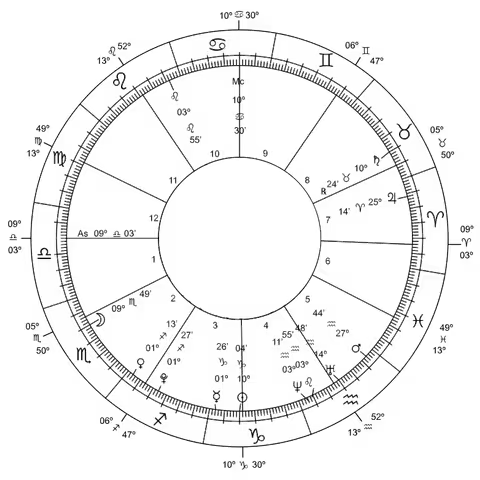
Today is Thursday, in the Krishna Paksha. Today is Gudi Padwa and Chaitra Navratri. The tithi is Amavasya till morning, then Pratipada begins. Amavasya is the new moon, a day for ancestors, quiet and reflection. The Moon is in Uttara Bhadrapada nakshatra till tomorrow early morning, then Revati. Start new work in Abhijit Muhurta, 12:05 to 12:53, and avoid it in Rahu Kaal, 13:59 to 15:30. The Moon and the Sun are both in Meena rashi.
Kept on the day the tithi stands at sunrise; the observance runs through the day.
MaharashtraGoa
The lunar new year of the Deccan — households raise the gudi flag at dawn to mark Brahma's creation of time. One of the sade-teen muhurat, the almanac tradition's three-and-a-half days held auspicious for any new beginning.
Kept on the day the tithi stands at sunrise; the observance runs through the day.
Nine nights dedicated to the nine forms of the goddess Durga, beginning the Hindu lunar new year. Marked by fasting, prayer, and devotional music.
✦
Purushottam Maas
·
Adhika Phalguna
Sacred lunar leap month — a time for fasting, charity, and devotional practice.
Tithi · Weekday · Lunar month
TithiThe Hindu calendar's lunar day — measured by how far the moon has moved from the sun. Festivals are anchored to specific tithis (Ekadashi, Purnima…) rather than fixed Gregorian dates.Learn more in glossary
Amavasya
Prev day08:25uptoSame day06:53
then
Shukla Pratipada
Same day06:53→Next day04:52
Purnima or Amavasya — full or new moon. A potent day for devotion, completion, and intention-setting.
WeekdayThe weekday, each governed by one of seven classical planets — Sunday/Sun, Monday/Moon, and so on. Each day inherits the temperament of its ruling planet.Learn more in glossary
Thursday
Thursday — ruled by Jupiter. The most auspicious weekday; favourable for learning, ceremony, and new beginnings.
Lunar monthA month in the Hindu lunar calendar. Two start conventions co-exist — Amanta begins at new moon, Purnimanta at full moon — so the same month carries two names depending on the region.Learn more in glossary
AmantaPhalguna
PurnimantaChaitra
Nakshatra · Yoga · Karana
NakshatraThe constellation the moon is currently sitting in. The sky is divided into 27 of these; each carries its own qualities used to read birth charts and pick auspicious windows.Learn more in glossary
Uttara Bhadrapada · Pada 1
Same day05:20uptoNext day04:04
Fixed nakshatra — best for long-term commitments, foundations, and permanent purchases.
YogaA sun-moon combination that colours the day's overall character. About half the 27 yogas are considered auspicious for new starts; the rest call for restraint.Learn more in glossary
Shukla
Same day04:00uptoNext day01:15
An auspicious yoga — sun and moon align favourably today. Considered supportive for most new beginnings.
KaranaHalf a tithi — every lunar day has two karanas in sequence. Useful when you need finer timing than a full tithi offers.Learn more in glossary
Naga
Prev day19:43uptoSame day06:53
then
Kimstughna
Same day06:53→Same day17:56
then
Bava
Same day17:56→Next day04:52
A fixed karana — these occur only at month-end and mark transitions. Often used for finishing pending matters.
Day at a glance
Panchang windows not defined here today
Choghadiya, Gowri and Rahu Kalam each divide local daylight into eight parts. At very high latitudes (above ~66°) the sun can stay up — or stay down — for the whole day, so a local sunrise/sunset pair doesn't exist for this date. Tithi, nakshatra and yoga above are still valid.
ChoghadiyaA North Indian timing system: eight day windows and eight night windows, each rated good, neutral, or bad. A quick way to pick (or avoid) a slot for an everyday task.Learn more in glossary
A North Indian timing system: eight day windows and eight night windows, each rated good, neutral, or bad. A quick way to pick (or avoid) a slot for an everyday task.
Gowri PanchangamA South Indian tradition that splits the day and night into eight Gowri windows each — used for picking auspicious slots for everyday work.Learn more in glossary
A South Indian tradition that splits the day and night into eight Gowri windows each — used for picking auspicious slots for everyday work.
Best & avoidA short-list of the six most important windows — three auspicious (Brahma, Abhijit, Amrit) and three to avoid (Rahu, Yamaganda, Gulika). Some days may show fewer if a window isn't computed.Learn more in glossary
A short-list of the six most important windows — three auspicious (Brahma, Abhijit, Amrit) and three to avoid (Rahu, Yamaganda, Gulika). Some days may show fewer if a window isn't computed.
HoraEach day and night splits into twelve planetary hours, each ruled by a planet. The ruling planet sets the hour's tone — pick an hour whose ruler suits the task.Learn more in glossary
Each day and night splits into twelve planetary hours, each ruled by a planet. The ruling planet sets the hour's tone — pick an hour whose ruler suits the task.
Amavasya · Thu
Mar 19
Daily Almanac
GoodMixedAvoid
☀️
Daytime periods
8·1h 31m
ShubhAuspicious — favourable for new starts, ceremonies, and study.Learn more in glossary
06:2607:57
RogSickness — avoid important work, especially health-related matters.Learn more in glossary